
MEDICAL CANNABIS & ACQUIRED BRAIN INJURY
A specialist clinical approach to neuro-behavioural stabilisation, symptom management and harm reduction.
CANN-ABI focuses exclusively on the complex needs of individuals living with Acquired Brain Injury (ABI), where conventional treatments have often provided limited benefit.

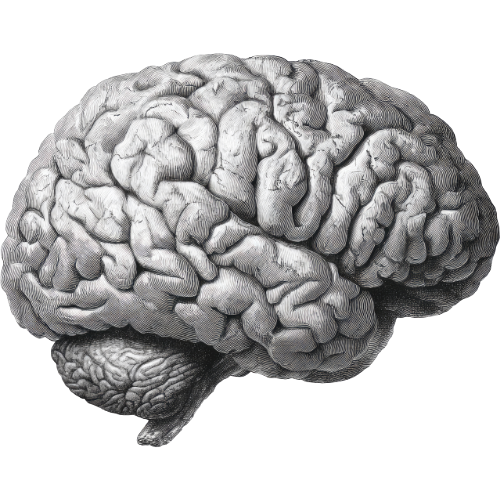
Acquired Brain Injury refers to damage to the brain occurring after birth and may result from:
Traumatic brain injury (TBI)
Stroke
Hypoxic injury
Infection
Neurosurgical complications
Unlike developmental conditions, ABI often produces profound changes in personality, behaviour and emotional regulation.
COMMON NEURO-BEHAVIOURAL CONSEQUENCES
Individuals with ABI may experience:
Emotional Dysregulation
Rapid mood changes, irritability, or explosive anger due to frontal lobe impairment.
Executive Dysfunction
Difficulty planning, organising, inhibiting impulses and making reasoned decisions.
Sleep Disturbance
Disrupted circadian rhythms and poor sleep quality, which exacerbate behavioural instability.
Anxiety & Hyperarousal
Heightened stress response linked to neurological injury.
Reduced Insight
Impaired awareness of behavioural changes or risks.
Vulnerability to Exploitation
Increased susceptibility to coercion, financial abuse or unsafe social environments.
These symptoms frequently persist despite conventional pharmacological treatment.

WHY CONVENTIONAL TREATMENTS OFTEN FALL SHORT
Standard treatments may include:
Antipsychotics
Mood stabilisers
Sedative medications
Antidepressants
Behavioural therapy
However, these approaches may produce:
Cognitive dulling
Sedation
Limited behavioural improvement
Poor tolerability
In some cases, patients turn to illicit cannabis use in an attempt to self-regulate symptoms. This introduces additional risks including unknown potency, contamination and exploitation.

THE CLINICAL RATIONALE FOR CBMPs IN ABI
Cannabis-Based Medicinal Products are considered where:
Symptoms remain uncontrolled
Adverse effects from licensed medications are significant
Illicit cannabis use is already occurring
Behavioural instability presents safeguarding risks
The aim is not sedation — it is stabilisation.
CBMP treatment may target:
Emotional Regulation – Reducing agitation and volatility.
Sleep Stabilisation – Improving sleep onset and maintenance.
Anxiety Reduction – Dampening hyperarousal and stress responses.
Behavioural Control – Supporting impulse regulation.
Harm Reduction – Replacing unregulated street cannabis with monitored treatment.
Each protocol is individualised and titrated carefully.
Additional Information
ABI patients may have heightened vulnerability to adverse effects. Monitoring focuses on:
Cardiovascular Effects: Tachycardia and blood pressure changes.
Seizure Threshold: Particularly in patients with post-traumatic epilepsy.
Psychological Reactions: Paranoia, anxiety activation or mood destabilisation.
Cognitive Impact: Potential slowing or fatigue.
Structured monthly monitoring is therefore essential.
Smoking is not permitted.
Prescribed products are administered via:
Medical-grade vaporisers
Controlled dosing
Documented inhalation patterns
This reduces respiratory risk and allows precise titration.
Where illicit cannabis use exists, structured prescribing may:
Reduce exposure to high-potency products
Decrease exploitation risk
Improve engagement with rehabilitation
Provide clinical oversight
The objective is stability, not reinforcement of dependency.
In the UK, CBMPs may be prescribed by clinicians on the GMC Specialist Register where clinically appropriate.
Cann-ABI operates within:
Mental Capacity Act 2005
Best Interests decision-making processes
GP notification requirements
Clinical governance standards
Prescribing occurs only after comprehensive assessment.
Treatment may be unsuitable where:
Active psychosis is present
Cardiovascular instability is severe
Risk of harm outweighs potential benefit
Capacity and governance requirements cannot be satisfied
Safety always takes precedence.
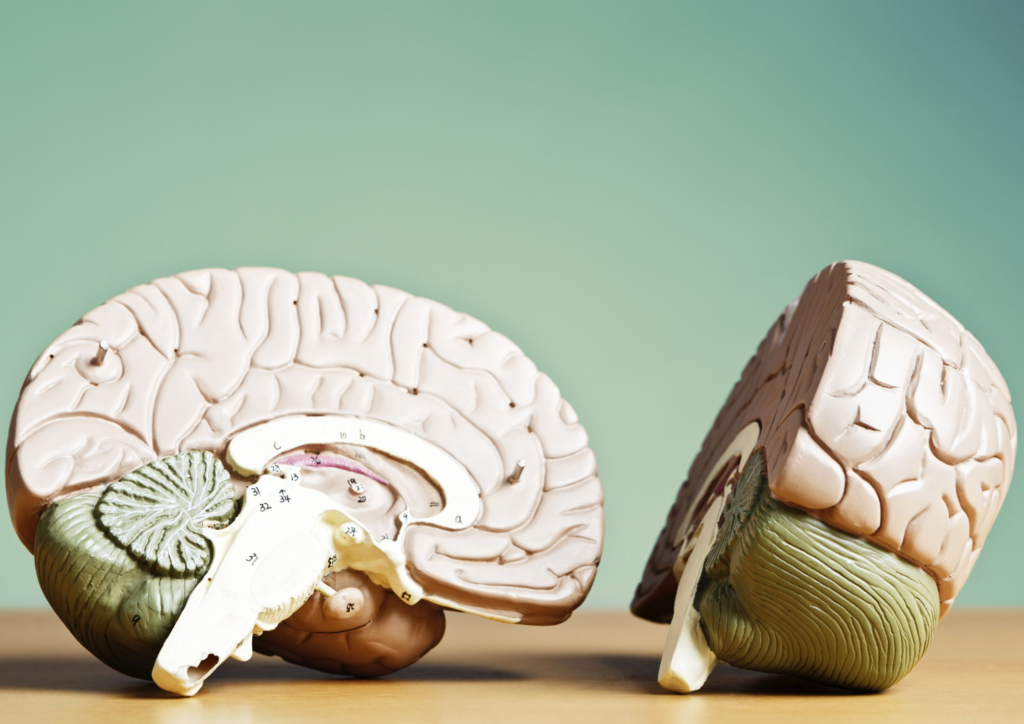
Still have some questions?
If you need further information or have specific concerns, feel free to reach out. Our team is here to provide support and help clarify any questions you might have about medical cannabis for ABI.
For Case Managers, Deputies & Professionals
If you are supporting an individual with ABI who may benefit from structured assessment, our team can provide guidance on suitability and referral pathways.
It is a specialist intervention for complex neuro-behavioural conditions where:
Conventional approaches have failed
Risk management is required
Stabilisation is the primary goal
CANN-ABI delivers this within a structured, defensible clinical framework.